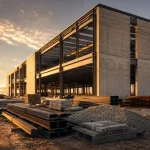
Building a home is a major investment, but it also uses a lot of materials and resources. Cement, steel, bricks, concrete, and their transportation can all contribute to carbon emissions. The good news is that homeowners can make simple, practical choices to reduce the environmental impact of their construction.
A good place to start is by using materials wisely. Choosing durable and suitable materials, especially those available locally, can help reduce unnecessary transportation and resource use. Planning the required quantities carefully can also prevent excess materials from being damaged or thrown away.
Good planning can make a difference too. A well-designed house can avoid unnecessary material use and reduce rework during construction. Simple design choices, such as making better use of natural light and ventilation, can also help reduce energy consumption after the house is completed.
At the same time, sustainability should never mean compromising on safety or quality. Materials and construction methods should be suitable for the building and follow the advice of qualified professionals.
In the end, reducing carbon emissions in house construction is about making smarter choices, reducing waste, and building for the long term. With proper planning and responsible construction practices, homeowners in Nepal can create homes that are not only comfortable and durable but also better for the environment.