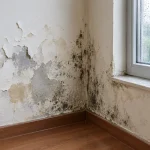

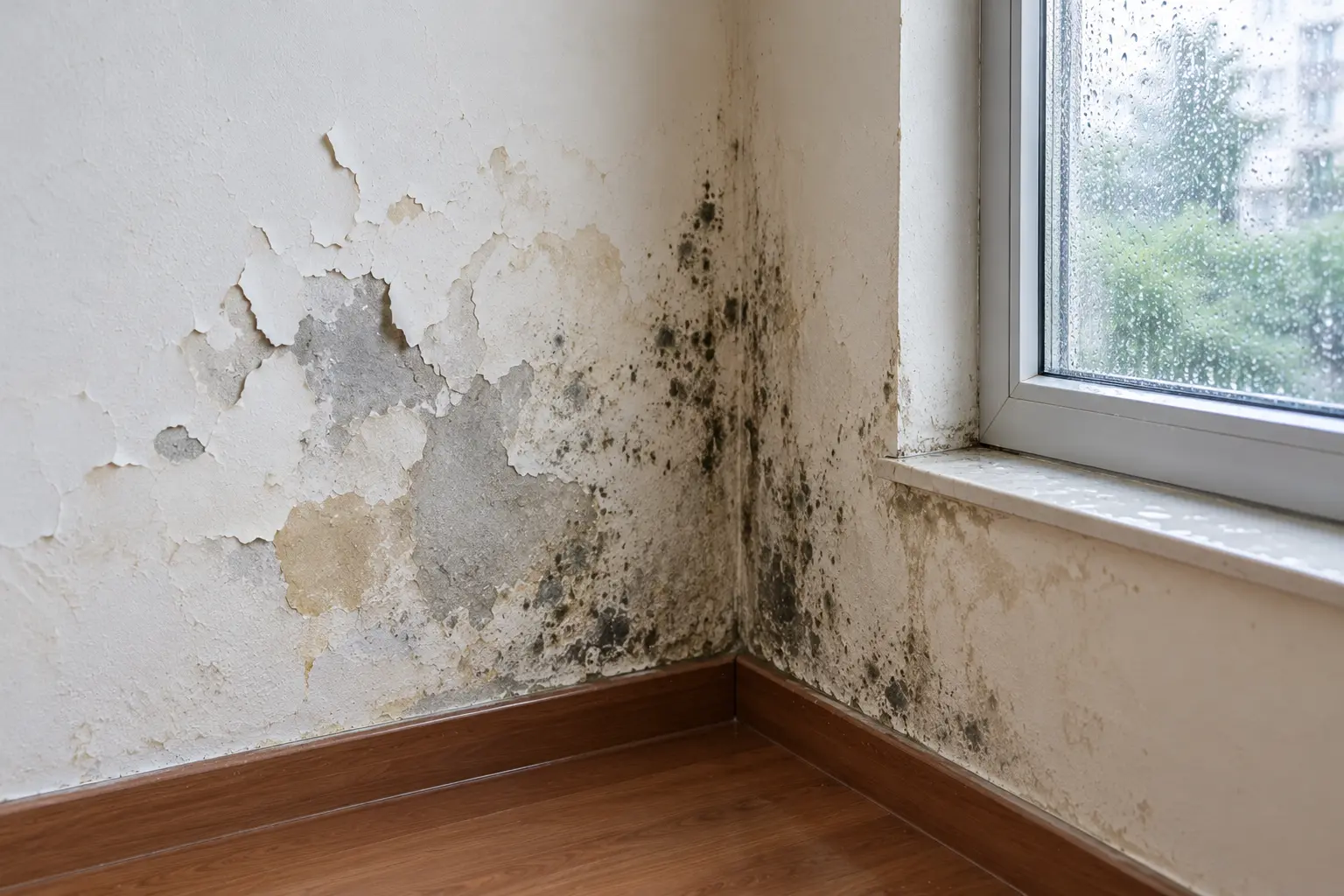
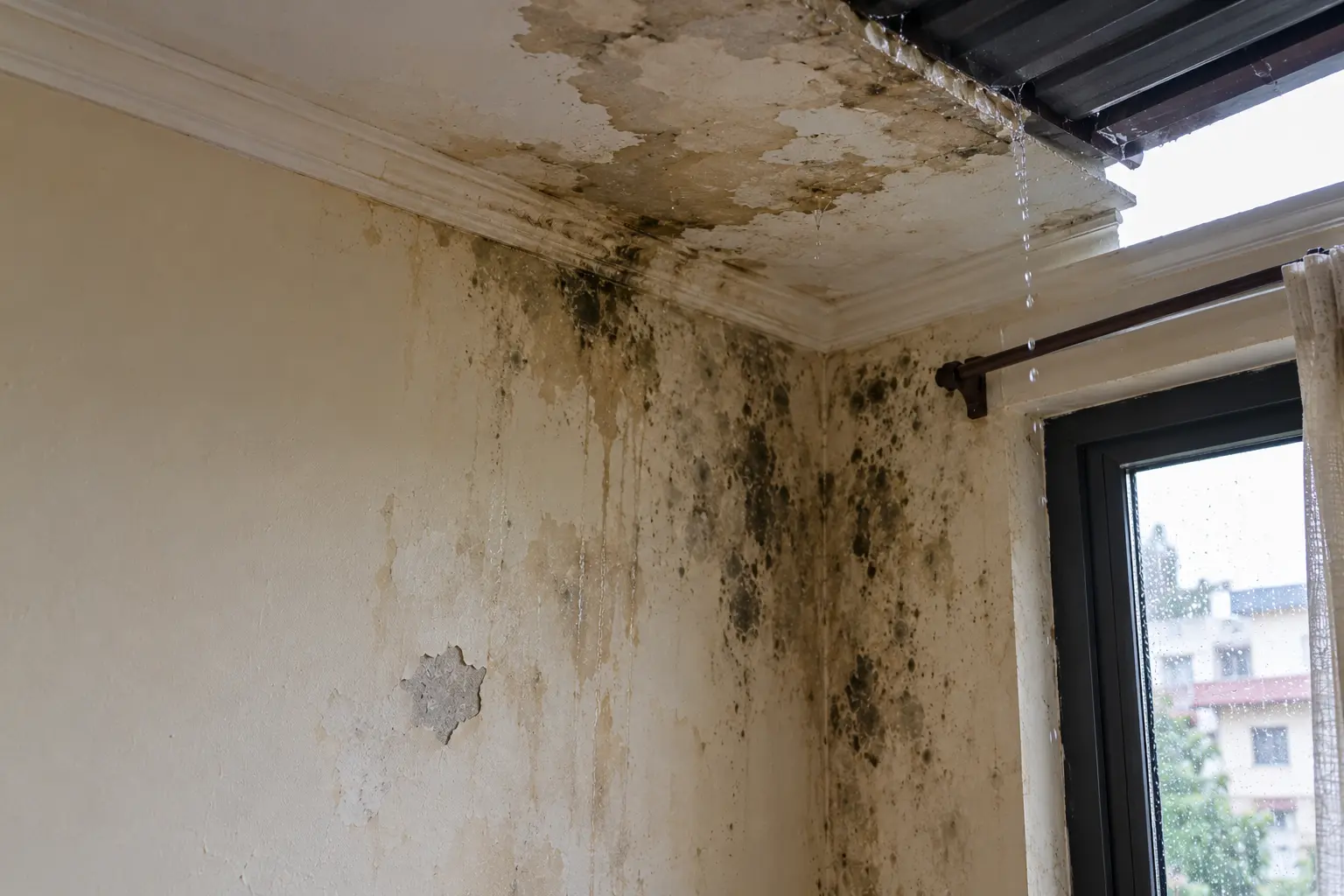
Damp walls are a common problem in many homes, especially during the monsoon season in Nepal. You may notice wet patches, peeling paint, white stains, or mould on your walls. These signs often indicate moisture problems that should not be ignored.
One of the main causes of damp walls is water seepage. Rainwater can enter through cracks in walls, leaking roofs, poorly sealed windows, or balconies with inadequate waterproofing. Another common cause is rising damp, where moisture from the ground moves upward through walls due to capillary action.
Plumbing leaks, poor drainage, and inadequate ventilation can also contribute to dampness. In some cases, condensation occurs when warm, moist indoor air comes into contact with cold wall surfaces, creating water droplets.
If left untreated, dampness can damage paint, plaster, and building materials. It can also encourage mould growth, which may affect indoor air quality and cause health problems.
The right solution depends on identifying the actual source of moisture. Repairing leaks, sealing cracks, improving waterproofing, providing proper drainage, and ensuring adequate ventilation can help prevent dampness. Simply repainting a damp wall without fixing the underlying problem will only provide a temporary solution.
In the end, a damp wall is more than just an appearance issue. Identifying the cause early and taking appropriate action can protect your home, improve indoor comfort, and reduce future repair costs.